
Faith, Confession, and Secrecy
The Pale HorseFather Gorman’s religious duty and Mrs Davis’s fear create a moral thread about what may be kept secret and what must be stopped.
increasing Bearing strength in each event
 decreasing
Bearing strength in each eventdecreasingA Catholic Request

A Religious Need
The Vicar Is Not Enough
Davis asks specifically for a Roman Catholic priest, surprising Mrs Coppins, who had not noticed a crucifix or other outward sign of her faith. The request signals that Davis believes her spiritual situation requires a particular form of care.
Her choice leads to Father Gorman and gives her a chance to speak before death. Religious identity becomes the route by which hidden criminal knowledge enters the story.
The Priest’s Ministry
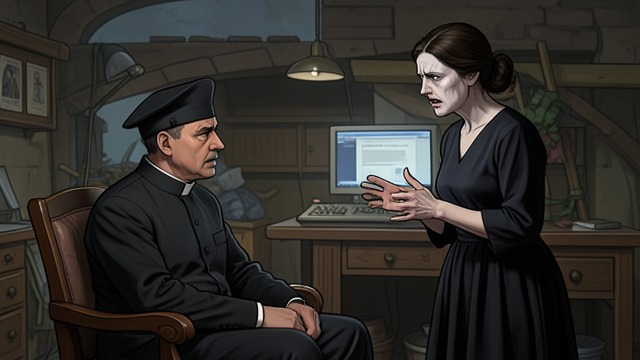
Reassurance Before Death
The Confession
Father Gorman speaks with the authority and comfort of his calling while Davis struggles to describe her sin. Her distress eases enough for her to deliver a warning.
The scene treats confession as a human encounter rather than an investigative device. The priest’s attention to her suffering is what makes him the person she trusts.
The Boundary of the Seal
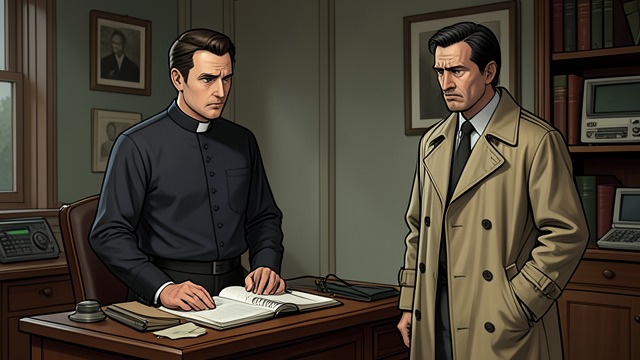
What Was Not Confessed
A Question of Disclosure
Corrigan wonders whether Father Gorman could have written down names if they had been given under the Seal of the Confessional. Lejeune notes that the information need not have been protected in that way.
The distinction matters because the police must interpret the list without assuming what Davis said. The novel respects the religious boundary while recognizing that Gorman may have received a warning outside sacramental secrecy.
A Promise Beyond the Bedside
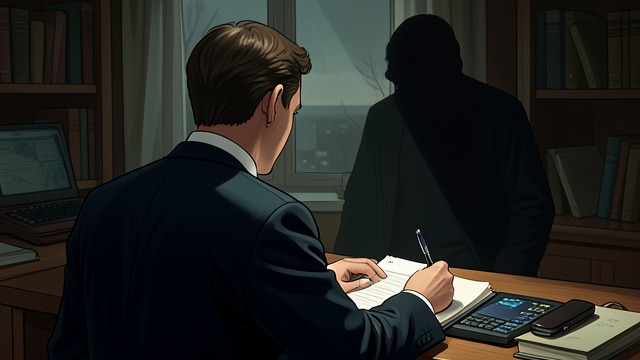
Duty Continues
A Promise to Act
When Davis says that something must be stopped, Gorman tells her she can trust him. His promise extends his responsibility beyond the immediate ritual of confession.
He writes down names as soon as he can, not knowing that the act will make him a target. The spiritual commitment becomes a practical obligation with lethal consequences.
A Moral Witness Remains
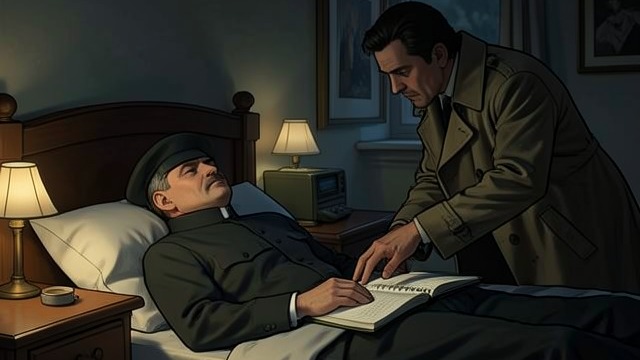
Service Through the Evidence
A Duty Not Erased
The police recover the list from Gorman’s shoe after he is killed. The names allow them to pursue the harm Davis tried to reveal, although neither priest nor penitent can guide the inquiry further.
The episode makes moral courage quiet rather than triumphant. Gorman does not solve the case, but his response to a dying person preserves the possibility of justice.
When Davis’s fever worsens
At the bedside on October 7
During the police discussion of the recovered list
At the close of Gorman’s visit
After Gorman’s murder
